Travel Documents
Before traveling, make sure you have:
- A passport valid for at least 6 months beyond your arrival date in India.
- An approved Indian visa or e-Visa, if required for your nationality.
- Printed and digital copies of your passport, visa, airline tickets, and travel insurance.
- Emergency contact information and copies of important medical information.
- A copy of your Yatra itinerary and accommodation details.
India’s official e-Visa system allows many international travelers to apply online before departure. Travelers should verify current visa requirements directly through the Government of India visa portal before booking flights.
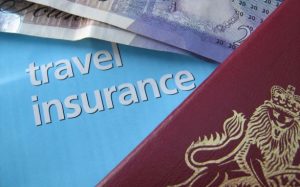
Travel Insurance
Comprehensive travel insurance is strongly recommended.
Your policy should ideally include:
- Emergency medical coverage
- Medical evacuation
- Trip interruption or cancellation
- Lost or delayed baggage
- Emergency assistance services
Please review your policy carefully and keep both printed and electronic copies accessible throughout the trip.
Customs & Immigration
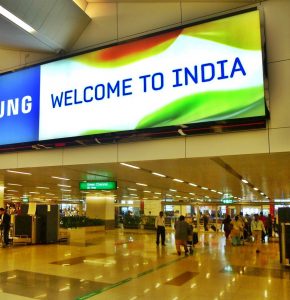
Upon arrival in India, travelers will first pass through Immigration and then Customs. Most personal effects needed for your journey may be brought into the country without customs duty, provided they are for personal use during your visit. Common items include cameras, binoculars, laptop computers, mobile phones, personal electronics, jewelry, and specialized camera equipment. These items should accompany you when you leave India.
India uses a two-channel customs system:
- Green Channel – for travelers carrying no dutiable, restricted, or prohibited goods.
- Red Channel – for travelers carrying items that must be declared or goods exceeding allowable limits.
Travelers carrying more than USD $5,000 in currency notes, or more than USD $10,000 in total foreign exchange, must make the appropriate customs declaration.
Prohibited or restricted items include illegal drugs, firearms without special permission, certain live plants and agricultural products, counterfeit goods, wildlife products, and precious metals in forms subject to import restrictions. If you are uncertain whether an item requires declaration, it is always best to declare it and consult customs officials.
Keeping receipts for valuable electronics and carrying copies of your passport, visa, and travel itinerary can help facilitate a smooth arrival process. When in doubt, review the latest customs regulations before departure or consult your airline and the appropriate Indian government authorities.
Health Concerns
Before traveling to India, consult your healthcare provider or a travel clinic, ideally 4–6 weeks before departure. There are currently no routine immunizations required for most travelers entering India directly from the United States or many other countries. However, travelers should ensure they are up to date on routine vaccinations such as tetanus, influenza, COVID-19, and other recommended immunizations. The CDC also recommends discussing additional travel-related vaccines, including Hepatitis A, Hepatitis B, and Typhoid, depending on your individual circumstances.
If you are arriving in India from, or have recently transited through, a country with risk of yellow fever transmission, Indian health regulations may require proof of yellow fever vaccination. Travelers without the required documentation may be subject to quarantine or denied entry. Please verify current requirements before departure.
We are not traveling during the primary malaria season in the areas included on our itinerary, so malaria is generally not a major concern. However, mosquito-borne illnesses such as dengue fever can occur year-round in India. Bringing insect repellent and taking precautions to avoid mosquito bites is strongly recommended. The CDC also notes that Zika virus transmission has been reported in India; pregnant women or those planning to become pregnant should consult their healthcare provider regarding travel plans.
Additional health recommendations:
- Drink bottled or filtered water.
- Avoid ice and uncooked foods from uncertain sources.
- Wash or sanitize your hands frequently.
- Bring a small personal first-aid kit.
- Carry all prescription medications in their original pharmacy-labeled containers.
- Keep essential medications in your carry-on luggage in case checked baggage is delayed.
The above information reflects our current understanding, but health recommendations can change. We encourage all participants to consult official sources before departure for the most up-to-date information.
Helpful Resources:
- CDC Traveler’s Health: India
- Passport Health USA: Travel Vaccines and Advice for India
Some members of our community also choose to focus on strengthening their overall health and immunity before travel through diet and wellness practices. The Siri Singh Sahib often recommended eating one raw onion daily for 40 days before traveling to India, or taking a spoonful of umeboshi paste for the same period.
Please note: If you are considering dietary changes, supplements, or health practices that are new to you, consult your healthcare provider before making any changes.
Luggage
Pack lightly whenever possible.
Recommended:
- One checked suitcase
- One carry-on bag
- One small daypack
Keep the following items in your carry-on:
- Passport and travel documents
- Medications
- Valuables
- Electronics and chargers
- One change of clothing
- Essential toiletries
Airline baggage allowances vary, so verify limits before departure.
What to Bring
Clothing
India is generally a modest society, and dressing respectfully is appreciated, particularly when visiting Gurdwaras, temples, and other sacred sites. During our Yatra, the weather will typically be warm during the day and cool to cold in the evenings, so layered clothing is recommended.
Please plan to wear comfortable, modest clothing. Avoid tank tops, undershirts, low-cut shirts, sheer fabrics, very tight clothing, short skirts, or clothing that exposes undergarments. Yoga pants, leggings paired with longer tunics or tops, loose-fitting pants, and comfortable walking clothes are all appropriate choices.
Ready-made Indian clothing is widely available and reasonably priced, so you will have opportunities to purchase additional clothing during the trip.
Head coverings are required not only for meditation but also for entering Gurdwaras and many temples. We recommend bringing a head covering that you are comfortable wearing and that will stay securely in place. A lightweight scarf or shawl is also useful for covering your head and shoulders when needed.
Footwear should be comfortable and easy to remove, as shoes are taken off frequently when entering Gurdwaras, temples, and some homes. Sandals or slip-on shoes are especially convenient (though flip-flops are best reserved for showers and bathrooms). It is also advisable to bring a backup pair of shoes, as footwear can occasionally be misplaced in busy temple areas.
Packing Tips
Travel as lightly as possible while still bringing what you need for comfort and well-being. Most travelers find that packing fewer items makes moving between locations much easier. Keep essential items such as medications, travel documents, valuables, electronics, and one change of clothing in your carry-on luggage.
A reusable water bottle, sunglasses, sunscreen, and a small daypack can be especially helpful during daily activities and excursions. India uses primarily Type C, D, and M electrical outlets, so an appropriate adapter is recommended.
Suggested Packing List
- Comfortable slip-on walking shoes and a backup pair
- Flip-flops for bathroom and shower use
- Modest, comfortable clothing suitable for warm days and cool evenings
- Head coverings (you will use these most days)
- Long scarf, shawl, or wrap
- Light sweater, vest, or jacket
- Meditation shawl
- Travel-size toiletries (shampoo, conditioner, toothpaste, etc.)
- Any required prescription medications in original pharmacy-labeled containers
- Small first-aid kit and remedies for common aches or stomach upset
- Sunscreen and lip balm
- Sunglasses
- Feminine hygiene supplies
- Travel tissues or Kleenex packets
- Hand sanitizer (gel or wipes)
- Reusable water bottle
- Small daypack
- Money belt or secure travel pouch for passport, credit cards, and cash
- Electrical adapter
- Small power bank for charging devices
- Locks for luggage and an extra spare lock
- Small travel umbrella
- Healthy snacks such as trail mix, energy bars, granola, or tea bags
Packing thoughtfully will help you travel more comfortably and allow you to fully enjoy the Guru Ram Das Guru Prasad Yatra experience.

Money & Valuables
We recommend leaving valuable or irreplaceable items at home and bringing only what you are comfortable carrying and keeping track of throughout the journey. Most hotels will provide safes for storing passports, cash, and valuables, and belongings can also be secured in your luggage while staying at Anandpur Sahib.
The currency in India is the Indian Rupee (INR). Exchange rates fluctuate, so it is helpful to check a currency conversion website before traveling. While ATMs are available in many cities, service can occasionally be unreliable depending on location and international banking networks. For this reason, it is wise to bring adequate funds for your needs and to have more than one form of payment available.
Major credit cards, including Visa and Mastercard, are widely accepted in larger cities such as New Delhi and Amritsar, as well as at many hotels, restaurants, and retail establishments. However, smaller vendors and local markets may prefer cash.
Upon arrival at New Delhi International Airport, there are several official currency exchange counters located in the arrivals area. Many travelers find it convenient to exchange a small amount of money there while waiting for their luggage. Hotels may also offer currency exchange services, although availability and rates can be limited.
Carry only the cash you need for the day and keep additional funds, credit cards, passports, and other valuables securely stored. A money belt or secure travel pouch can be useful for safeguarding important documents while traveling.
If someone offers to exchange money at a rate better than that offered by banks or authorized exchange counters, do not do business with them. Exchanging currency through unauthorized channels is illegal and can result in serious legal consequences.
As with travel anywhere in the world, avoid displaying large amounts of cash, expensive jewelry, or valuables in public, and remain aware of your surroundings.
Communication
Internet access will be available at the locations where we will be staying.
Your cellphone will be an important tool during the Yatra—not only for communication, but also as a camera, flashlight, map, and alarm clock. Many travelers now use an eSIM or local Indian SIM card for affordable data and calling while in India. Before departure, verify that your phone is unlocked and compatible with international service.
Several eSIM providers offer convenient options for travelers. Airalo is one service that members of our staff have used successfully and is widely recommended. We encourage you to explore your connectivity options before arriving in India so that you can stay connected throughout the trip.
We will communicate with participants and share important updates through WhatsApp, which is commonly used throughout India. Please download WhatsApp and set up your account before leaving home.
Additional communication tips:
- Save important contacts both on your phone and on paper.
- Download offline maps before traveling.
- Bring a charging cable and a small power bank.
- Enable international roaming if you plan to use your home carrier’s service.
A little preparation before departure will help ensure you can stay connected with the group, access important information, and communicate easily throughout the Yatra.