

The Sikh Gurus
The Sikh path is guided by the teachings of the Ten Sikh Gurus, beginning with Guru Nanak and culminating with the eternal Guru, the Siri Guru Granth Sahib. Over a period of more than two centuries (1469–1708), the Gurus developed a spiritual path grounded in devotion to the One Divine, equality of humanity, meditation, service, and courageous engagement with the world.
Each Guru carried the same spiritual light while expanding the Sikh community and deepening its spiritual teachings. Their lives demonstrate how spiritual wisdom can guide both individual transformation and social progress.
Table of Contents
The Sikh Gurus: Lives, Teachings, and Spiritual Legacy
- The Then (Eleven) Sikh Gurus
The Continuing Legacy of the Sikh Gurus
Frequently Asked Questions
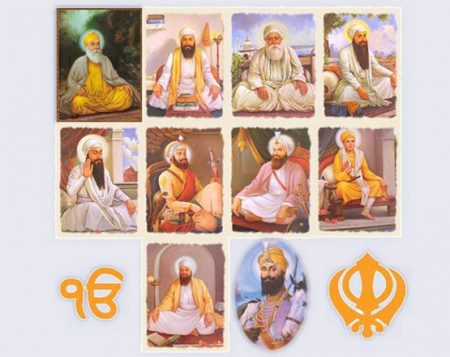
Ten Sikh Gurus
The Eleven Sikh Gurus
1. Guru Nanak (1469 – 1539)
Guru Nanak was born in 1469 in the village of Talwandi (now in Pakistan). From a young age, he showed extraordinary spiritual awareness and questioned religious rituals that divided people by caste, status, or religion.
At about age thirty, Guru Nanak experienced a profound mystical revelation. After disappearing for three days while bathing in a river, he returned with the message: “There is no Hindu, there is no Muslim,” emphasizing that the Divine transcends religious labels.
He then began a lifetime of spiritual teaching and travel, spreading the message of Ik Onkar (One Divine Reality).
Major contributions
Founded the Sikh spiritual path
Composed many hymns included in the Siri Guru Granth Sahib
Established the principles of Naam Japna (meditation on the Divine Name), Kirat Karni (honest living), and Vand Chakna (sharing with others)
Spiritual journeys (Udasis)
Guru Nanak traveled thousands of kilometers across South Asia, Tibet, Arabia, and Central Asia, meeting spiritual seekers from many traditions. These journeys allowed him to share his teachings and engage in deep philosophical dialogue.
Connection to Yogic traditions
Guru Nanak frequently interacted with yogis, especially the Nath yogic orders. His teachings acknowledged the importance of inner discipline but emphasized that true union with the Divine occurs through remembrance of Naam rather than physical austerities or isolation.

Guru Nanak teaching
2. Guru Angad (1504 – 1552)
Born Lehna, Guru Angad became a devoted disciple of Guru Nanak and was chosen as his successor due to his humility and dedication.
Major contributions
Standardized and promoted the Gurmukhi script, which became the script used for Sikh scripture
Collected and preserved the hymns of Guru Nanak
Encouraged education and literacy among Sikhs
Established schools where children could learn reading and writing
Physical discipline and community life
Guru Angad also encouraged physical well-being by promoting wrestling and physical exercise. This reflected the Sikh view that spiritual and physical strength should develop together.

Guru Angad by www.sikhiart.com
3.Guru Amar Das (1479 – 1574)
Guru Amar Das became the third Guru at age 73 after years of devoted service. His leadership greatly expanded the Sikh community.
Major contributions
Strengthened the Langar tradition, where all people share meals together regardless of caste or social status
Organized the Sikh community through administrative centers called Manjis
Encouraged the equality and dignity of women
Opposed social practices such as caste discrimination and purdah
Spiritual teachings
Guru Amar Das emphasized humility, devotion, and service as the foundation of spiritual growth. His hymns also highlight the importance of meditation on Naam and surrender to the Divine will.
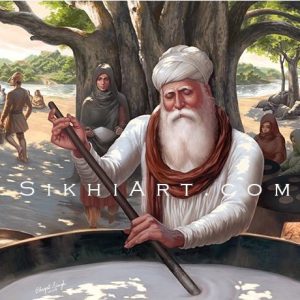
Guru Amar Das
4. Guru Ram Das (1534 – 1581)
Guru Ram Das was known for his humility and deep devotional spirit. His leadership helped establish Sikhism’s spiritual and geographic center.
Major contributions
Founded the city of Amritsar
Began excavation of the sacred pool (Amrit Sarovar) that later surrounded the Golden Temple
Composed many sacred hymns included in the Siri Guru Granth Sahib
Established the Lavan hymns, which form the basis of the Sikh marriage ceremony
Spiritual teachings
Guru Ram Das emphasized humility, devotion, and love for the Divine. His hymns describe the inner longing of the soul for union with the Divine Beloved.
Connection to Yogic principles
Many of Guru Ram Das’s hymns describe the inward spiritual journey and the awakening of divine awareness within the heart. These teachings resonate with yogic ideas of inner transformation and spiritual union.
Guru Ram Das was the Fourth Sikh Guru, and a man of infinite compassion and service, whose very presence could heal. In addition, he was the King of Raj Yoga, having been given that throne for perpetuity.

Guru Ram Das
5. Guru Arjan (1563 – 1606)
Guru Arjan played a critical role in shaping Sikh scripture, institutions, and identity.
Major contributions
Compiled the Adi Granth, the first collection of Sikh sacred hymns
Included the writings of the Sikh Gurus as well as saints from diverse spiritual traditions
Completed construction of the Harimandir Sahib (Golden Temple)
Promoted devotional music (kirtan) as a central Sikh practice
Martyrdom
Guru Arjan became the first Sikh martyr when he refused to alter Sikh teachings under political pressure. He was placed on the hot plate and burned alive. His sacrifice strengthened Sikh identity and commitment to spiritual freedom.
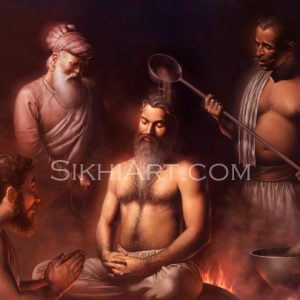
Guru Arjan sitting on the hot plate
6. Guru Hargobind (1595 – 1644)
Guru Hargobind transformed Sikh leadership by integrating spiritual authority with worldly responsibility.
Major contributions
Introduced the concept of Miri and Piri, symbolizing temporal and spiritual authority
Wore two swords representing these principles
Built the Akal Takht, a center for Sikh temporal leadership
Encouraged Sikhs to train in self-defense and courage
Saint-soldier ideal
Guru Hargobind introduced the concept of the saint-soldier, a person who combines deep spirituality with the strength to defend justice.
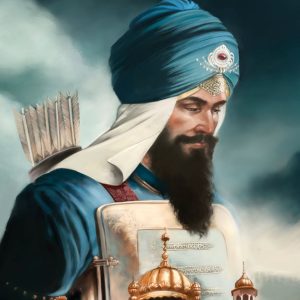
Guru Hargobind
7. Guru Har Rai (1630 – 1661)
Guru Har Rai led the Sikh community during a period of relative peace and emphasized compassion and environmental care.
Major contributions
Maintained large herbal gardens used for healing
Supported medical care and compassionate service
Continued expanding Sikh teachings and institutions
His life reflected the Sikh value of living in harmony with nature and caring for all beings.
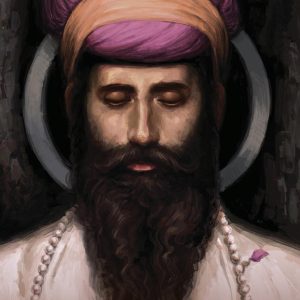
Guru Har Rai
8. Guru Har Krishan (1656 – 1664)
Guru Har Krishan became Guru at the age of five and is remembered for his extraordinary compassion.
Major contributions
Served the people of Delhi during a smallpox epidemic
Comforted and healed the sick through selfless service
Demonstrated humility and spiritual wisdom despite his youth
He passed away at the age of eight but left a lasting example of compassion.
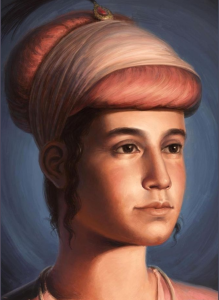
Guru Har Krishan
9. Guru Tegh Bahadur (1621 – 1675)
Guru Tegh Bahadur was known for his spiritual depth, meditation, and commitment to justice.
Major contributions
Composed deeply contemplative hymns now included in the Siri Guru Granth Sahib
Taught detachment from fear, ego, and worldly attachment
Defended the principle of religious freedom
Martyrdom for religious liberty
Guru Tegh Bahadur sacrificed his life defending the rights of people to practice their own religion. His sacrifice remains a powerful symbol of spiritual courage.
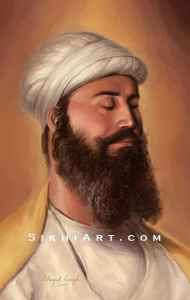
Guru Tegh Bahadur
10. Guru Gobind Singh (1666 – 1708)
Guru Gobind Singh completed the development of the Sikh community and established a distinct Sikh identity.
Major contributions
Founded the Khalsa in 1699, a community of initiated Sikhs committed to spiritual discipline and justice
Established the Five Ks, articles of faith representing Sikh identity
Strengthened Sikh values of courage, equality, and service
Declared the Siri Guru Granth Sahib the eternal Guru
Connection to Yogic principles
Guru Gobind Singh emphasized mastery of the mind, discipline, courage, and spiritual awareness. His teachings embody the yogic ideal of the warrior-saint, combining meditation with fearless action. He told Sikhs to chant Wahe Guru as a guide for the soul and meditation in God.
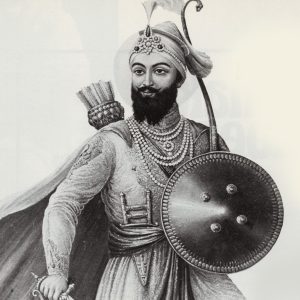
Guru Gobind Singh
11. The Eternal Guru: Guru Granth Sahib
After the passing of the tenth Guru, Guru Gobind Singh declared the Siri Guru Granth Sahib to be the eternal Guru of the Sikhs through the power of the vibration of the Shabad Guru.
The scripture contains hymns from the Sikh Gurus as well as spiritual saints from different traditions. It serves as a living spiritual guide that teaches devotion, humility, meditation, and service.
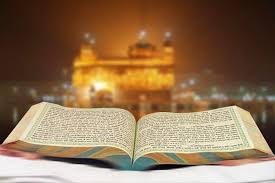
Siri Guru Granth sahib
The Continuing Legacy of the Sikh Gurus
The teachings of the Sikh Gurus emphasize timeless spiritual values:
Oneness of the Divine
Equality of all people
Meditation on the Divine Name
Honest living and service
Courage and justice
Through their lives and teachings, the Sikh Gurus created a path that integrates spiritual realization with compassionate action in the world. Their wisdom continues to inspire spiritual seekers across cultures and traditions.
Frequently Asked Questions
1. Who were the Sikh Gurus and what did they teach?
The Sikh Gurus were ten spiritual teachers who guided Sikhism from 1469 to 1708. They taught devotion to One God, meditation on Naam, selfless service (Seva), equality, honesty, courage, and humility. After the tenth Guru, The Siri Guru Granth Sahib became the eternal Guru, continuing their teachings.
2. What are the key teachings of Guru Nanak?
Guru Nanak emphasized:
- Ik Onkar: belief in One God
- Naam Japna: meditation on God’s Name
- Kirat Karni: honest living
- Vand Chakna: sharing with others
- Equality of all humans regardless of caste, gender, or religion
3. How did Guru Gobind Singh create the Khalsa?
In 1699, Guru Gobind Singh founded the Khalsa, a community of Sikhs committed to courage, equality, service, and spiritual discipline. He also introduced the Five Ks, representing Sikh identity and dedication.
4. Which Sikh Guru built the Golden Temple?
Guru Arjan, the fifth Guru, oversaw the construction of the Harmandir Sahib (Golden Temple) in Amritsar and compiled the Adi Granth, the early version of the Siri Guru Granth Sahib.
5. Who was the last human Sikh Guru and why is the Siri Guru Granth Sahib called the eternal Guru?
The last human Guru was Guru Gobind Singh (1666–1708). Before his passing, he declared that the Guru Granth Sahib would be the eternal spiritual guide of the Sikh community through the vibration of the Shabad Guru, containing the teachings of the Gurus and other saints.